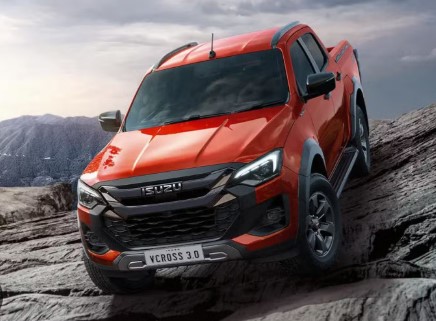
The year 2025 marks an important phase for Isuzu as the brand undertakes a strategic update and refresh of several of its most popular vehicle lines. With an increasingly competitive automotive landscape, consisting of aggressive moves from both legacy manufacturers and new EV market entrants, Isuzu is focused on maintaining its leadership by enhancing durability, performance efficiency, and customer-centric value propositions. The refreshes span both commercial and consumer segments—particularly pickups, light-duty trucks, and fleet-targeted models.
One of the notable developments in 2025 is the refinement of exterior and interior styling across multiple models. While the brand has historically prioritized functional durability over visual sophistication, evolving consumer expectations now require a balanced approach. The new refreshes introduce sharper lines, modernized grilles, enhanced aerodynamics, and improved cabin ergonomics. The result is a vehicle lineup that looks contemporary and provides greater driving comfort without compromising the signature Isuzu workhorse character.
In terms of performance, engine refinements prioritize fuel efficiency and emissions compliance. In regions with strict environmental regulations such as Europe and Asia-Pacific, Isuzu is enhancing its diesel engines to reduce CO₂ output without sacrificing torque delivery. At the same time, in Africa, Latin America, and parts of Southeast Asia where heavy-duty reliability in tough conditions is paramount, engine durability and long service intervals continue to be emphasized.
Safety upgrades also play a major role in the 2025 refresh cycle. Advanced Driver Assistance Systems (ADAS), once considered niche add-ons, are increasingly being offered as standard or optional features. Systems such as lane-keep assist, blind-spot monitoring, collision mitigation braking, and adaptive cruise control significantly enhance both driver and pedestrian safety. For fleet managers in the logistics and construction sectors, these upgrades translate into reduced accident risk, lower insurance costs, and improved operator confidence.
Isuzu’s communication around these updates reflects its broader evolution from simply a “vehicle manufacturer” to a total transport solutions provider. This includes aftermarket support enhancements such as extended service intervals, improved dealership service training programs, and telematics support that enables remote monitoring of vehicle health.
The 2025 model refresh is therefore not merely cosmetic—it represents a holistic alignment with global market expectations, regulatory requirements, and future mobility trends. The brand remains grounded in its reliability heritage, but with clearer steps toward innovation, user experience, and sustainability.
